
Aspectos destacados clave
- There are dram shop laws in Washington (RCW 66.44.200), which hold businesses liable for any injury caused by serving a customer who appears to be `intoxicated`.
- Proving overservice in 2026 will be accomplished through the use of a “digital paper trail” consisting of POS (Point of Sale) timestamps, 4K videos, and rideshare logs showing that an individual was intoxicated at the time they were served.
- With approximately 48% of fatal accidents involving someone using cannabis and alcohol together at the time of the accident, the law requires businesses to look for and identify `subtle` signs of multi-drug impairment.
- While the statutes of limitations in Washington State are three years, a lot of evidence, such as receipts and video footage, is often deleted no later than 30 days after an incident occurs, so prompt legal relevant action must be taken.
The state of Washington’s roads are at a critical juncture in 2026. Although early statistics from the Washington Traffic Safety Commission show that fatalities have gone down almost 10 percent from the previous 33-year highs, the impaired driver still represents an enormous public safety crisis. As of now, “poly-drug” impairment (which would include drinking alcohol and using another substance such as marijuana) is involved in nearly half (48%) of all fatal crashes in Washington, meaning that the risk on our roads is more complicated than ever.
Many of the people affected by these tragic events focus on their pain and legal action only against the impaired driver. However, at Russell & Hill Law Firm, we understand that under dram shop laws in Washington, the responsibility also extends to those who serve alcohol or provide alcohol at commercial establishments and choose profits over public safety by serving them more than necessary. Therefore, persons who provide an already impaired individual with their “last drink” can be held civilly liable under Washington law for damages caused after the impairment has occurred.
Have you been injured by someone who was impaired while driving? Call Russell & Hill Law Firm at (800) 529-0842 Hoy para un consulta gratuita to discuss your options for liability.
Does Washington State Have Dram Shop Laws?
While Washington State’s original dram shop statute was repealed in 1955, the current dram shop liability laws of Washington State are derived from the same dram-shop statute, RCW 66.44.200, and from the common law of Washington. The statute prohibits anyone or any licensed business from selling liquor to anyone who appears to be under the influence. This statute creates a basis by which injured parties may bring a dram shop claim against a vendor who acted negligently.
What is Dram Shop Laws Washington State?
A dram shop is a commercial enterprise (e.g., a bar, tavern, restaurant, nightclub, etc.) that is licensed by the State of Washington to sell and serve alcohol. The usage of the term dram (an old unit of measurement for liquid) gives its name to dram shops and implies that the dram shops have a legal responsibility to monitor the sobriety of their customers.
Commercial vs. Social Host Liability
Dram shop liability is a form of liability that is limited to commercial vendors, while the social host liability is applicable to private individuals. In Washington, private social hosts are generally not held liable unless they provide alcohol to a minor. On the other hand, dram shop laws Washington hold businesses liable for serving alcohol to adults who are already intoxicated.
First-Party vs. Third-Party Claims
The majority of dram shop civil cases are 3rd party claims brought by a victim injured by a drunk person. The dram shop case that is filed as a first-party action against a dram shop is when a minor is served. Washington State does not allow an overserved patron to file a dram shop lawsuit for their own injuries caused by drinking because, according to the law, adults should be responsible for their own consumption.
The “Evidence Gap” in 2026: Proving “Apparent Influence” in the Digital Age
To win a dram shop liability case, a abogado de lesiones personales must demonstrate that the server (or bartender) failed to recognize signs of impairment when serving the alcoholic beverage. In the year 2026, dram shop liability attorneys will look far beyond just slurring. Instead, digital evidence will be used to support the dram shop claim.
“As we enter into 2026, the success of a dram shop case doesn’t just rely on memory but on digital evidence! We use timestamps created by point of sale (POS) systems and rideshare logs to prove that the establishment should have cut the patron off but they kept pouring.” – James Hill, Partner at Russell & Hill
Legal Standards: Apparent vs. Obvious
In the case of Barrett contra Lucky Seven Saloon, the Washington Supreme Court established that the standard for determining whether someone is “apparently under the influence” applies only to dram shop cases where there is an allegation of DUI.
- DUI Standard: Must prove that the person appeared intoxicated to a reasonable person.
- Non-DUI Standard: A higher burden of proof that “there is clear evidence of obvious intoxication” is required for other incidents of injury.
Modern Digital Forensics and Evidence
To prove what is an example of a dram shop law violation now involves the use de electronic “digital paper trail” rendering many of the traditional defense strategies obsolete.
- POS System Timestamps: We take the premise of using point of sale POS system timestamped data to show that the patron received dangerous rates of service, including multiple high ABV drinks served within a short time span.
- Rideshare Data: Uber/Lyft app records show exactly when the driver left the dram shop, which shows that the person was too intoxicated to even operate the app correctly.
- Social Media & Surveillance: Using 4K high-definition security video recordings, coupled with audibly timestamped Instagram or TikTok story uploads, provides visual evidence of a patron’s level of intoxication at the exact time of overservice.
Complex Liability: The “Bar Crawl” Scenario & Workplace Holiday Parties
When dealing with what is a dram shop law responsibility in 2026 and multiple parties are involved, it’s typically a mess for everyone concerned. An accident can create multiple dram shop liability insurance claims for several different parties, creating a complicated series of payments necessary.
Multi-Establishment Liability and Comparative Fault
Liability is usually shared when an intoxicated driver goes to multiple dram shops during bar crawling. For example, in the famous dram shop case of Faust v. Albertson, a jury determined how to divide a $14 million judgment between several bars based on how much they contributed to the total amount of alcohol consumed by the intoxicated driver.
Workplace Liability and Company Events
Many holiday and company parties fall into a gray area of dram shop liability laws. A company that hosts a party with a cash bar or that receives some business benefit from the party can transition from being a “social host” to being a “commercial host.” If an employee who drank at the party gets into an accident while driving, the company can face a dram shop lawsuit.
The “Cannabis Factor” and Poly-Drug Impairment
Poly-drug impairment (consuming alcohol and cannabis together) is considered a serious issue under the dram shop law in Washington State as of 2026. Although dram shop liability insurance provides coverage for alcohol, servers of alcoholic beverages are now required to be knowledgeable about the effects of both alcohol and legal cannabis when determining whether someone is apparently under the influence.
Damages and the 2026 Economic Reality: Why You Need More Than Insurance
The purpose of filing a dram shop claim is to put the injured party (claimant) back in the position they were prior to the injury sustained. This is done by providing them with both economic damages and non-economic damages. As of 2026, a dram shop liability attorney familiar with current economic trends will be imperative to successfully obtain a compensatory award.
Breaking Down Special and General Damages
Victims are entitled to “economic” and “non-economic” damages to cover the full scope of their losses.
- Special Damages: These are made up of actual out-of-pocket expenses for healthcare, loss of wages, etc.
- General Damages: These are for the non-monetary portion of the injury, such as pain and suffering, emotional distress, and loss of enjoyment of life.
Inflation-Adjusted Life Care Plans
By 2026, catastrophic injuries will require a “Life Care Plan” to account for the increased prices of long-term medical care.
- Future Costs: We will establish the total cost of a nursing care along with the cost of medical equipment for the following 30-years with a yearly inflation rate through 2026.
- Insurance Gaps: Since many dram shop insurance policies will not cover all the costs associated with a permanent injury, we will be forced to pursue the assets of the establishment directly.
The Absence of Punitive Damages in Washington
Unlike dram shop laws by state in other regions, Washington does not provide punitive damages to punish a bar.
- Maximizar la compensación: Since we cannot seek the “punishment” portion of your recovery, our focus will be on complete and accurate documentation of your compensatory losses.
- Testimonio de un experto: We will utilize financial experts to assure that every future cost that will be incurred by you is documented prior to valuing your case and during settlement negotiations.
Why Experience Matters: How Russell & Hill Holds Establishments Accountable
Through our experienced dram shop liability attorney who understands the hospitality industry, our firm has accumulated more than 135 years of experience and has $100 million won for our clients with an aggressive approach to achieving the maximum possible compensation.
- Navigating WSLCB Regulations: Our dram shop attorney group has the knowledge of the Washington State Liquor and Cannabis Board standards, and we are aware of what bars violate Mandatory Alcohol Server Training (MAST) protocols or do not have proper dram shop liability insurance coverage.
- Rapid Evidence Preservation: Our attorneys understand that most digital Point-of-Sale (POS) records, including video surveillance recordings, are deleted after 30 days. For this reason, our dram shop attorneys take action quickly to ensure that all necessary data from the dram shop in question is preserved. Specifically, our attorneys send “spoliation letters” requiring dram shops to preserve all time-stamped evidence from the incident date.
- Forensic Toxicology Integration: Russell & Hill Law Firm also works with expert forensic toxicologists to determine the patron’s blood-alcohol concentration (BAC) at the time they were served by back-calculating their levels. Our forensic toxicologists are available 24/7, and they provide scientific evidence in support of every dram shop claim we handle.
Taking the First Step Toward Justice
A dram shop lawsuit are among the most complicated types of personal injury claims in Washington state, and require extensive use of digital forensics and skilled advocacy in order to establish a vendor’s liability. We at Russell & Hill Law Firm, are dedicated to holding every responsible party accountable under the full extent of the dram shop statute.
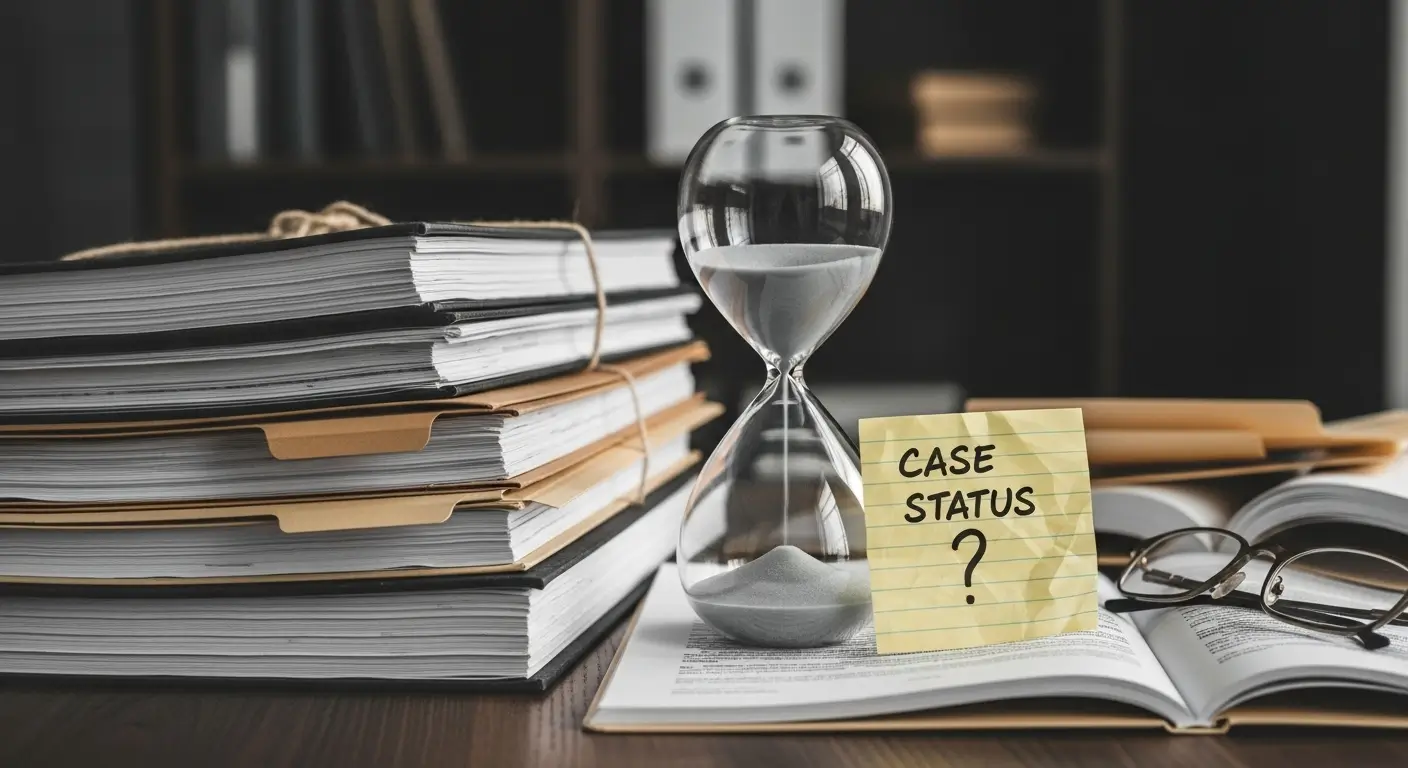
Your biggest adversary is time. While the dram shop laws in Washington state has a 3-year statute of limitations for dram shop cases, critical pieces of evidence, such as video or receipts, may be gone in days or weeks. If you hope to preserve your chance for recovery, you need to act quickly.
Call Russell & Hill Law Firm at (800) 529-0842, or visit one of our office in Washington for a no-obligation evaluation of your case. Don’t allow a negligent vendor to get away with it!
Frequently Asked Questions About Dram Shop Laws in Washington
Where are dram shop laws established?
Dram shop laws in Washington are established by a combination of state laws (RCW 66.44.200) and “common law” (decisions made by courts). The Washington Supreme Court has substantially influenced dram shop laws over the years with important rulings.
What is the purpose of dram shop laws?
The purpose of dram shop laws is to encourage public safety by making alcohol vendors liable for any overservice. This leads to better training and more monitoring of customers so that DUIs will not occur.
How are dram shop laws established?
Statutory and case law create these statutes. They are primarily developed at the state level; however, the state of Washington relies predominantly on an established standard of “apparently under the influence” as determined by court precedent.
Who can be sued in a dram shop case?
Any licensed establishment selling alcoholic beverages may be liable in tort, including bars, restaurants, nightclubs, sport stadiums or even grocery stores and gas station establishments, if they sell or deliver alcoholic beverages to minors or grossly intoxicated customers.
What times can you buy alcohol in WA?
The state of Washington allows alcohol sales from 6 a.m. to 2 a.m. daily; however, some local jurisdictions may impose more restrictive ordinances. Bars also usually stop serving alcohol by 1:30 a.m.